




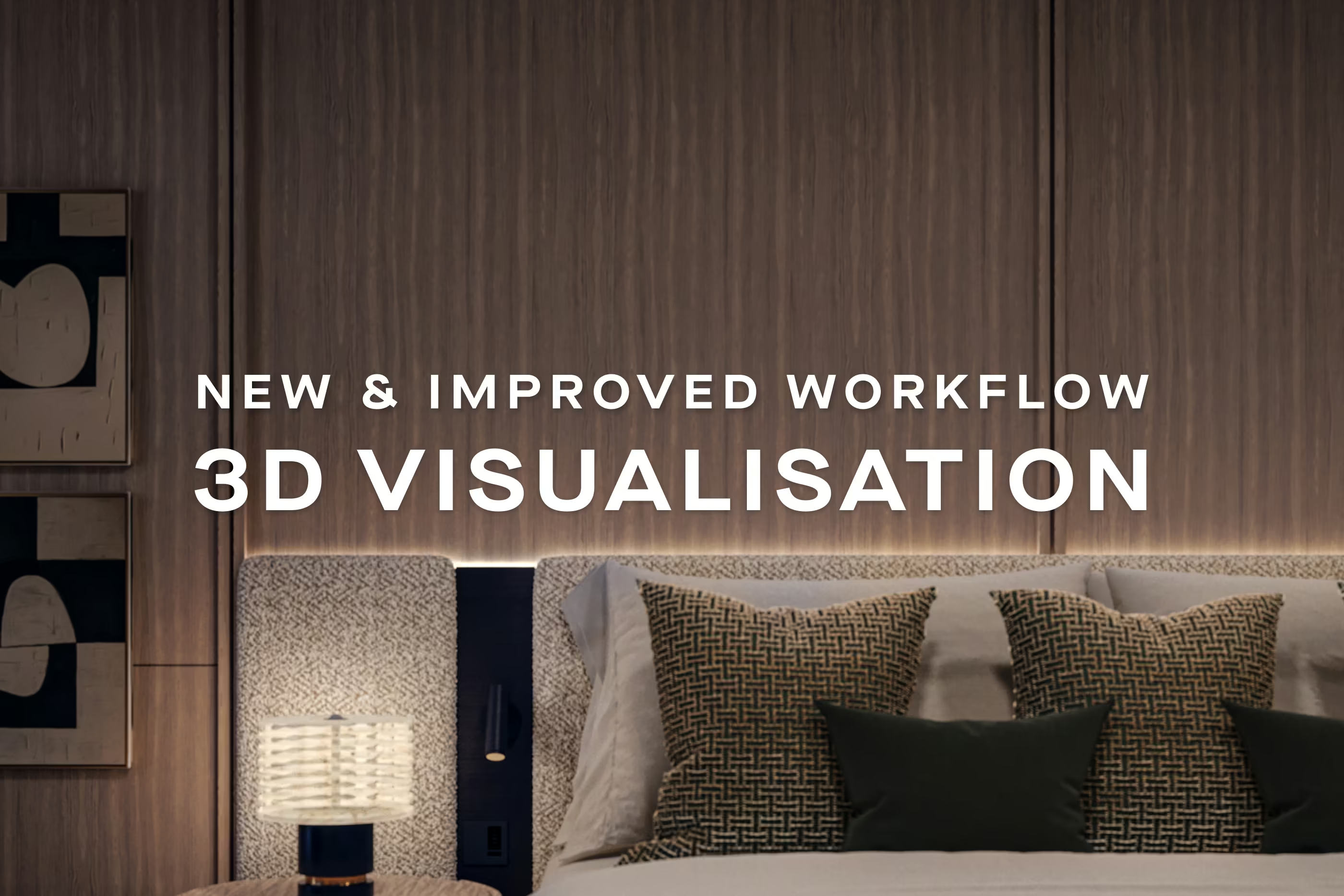
A New & Improved Workflow for our 3D Visualisations
Redefining The Visualisation Workflow
As our architectural and interior design outputs have continued to evolve in clarity and sophistication at earlier stages of a project, it became clear that our visualisation process needed to evolve alongside them. We identified a gap in the timeline where, despite strong design momentum, our imagery was
not yet reflecting the same level of refinement or intent. This resulted in a prolonged early phase where visualisation added limited value, both internally and for our clients.
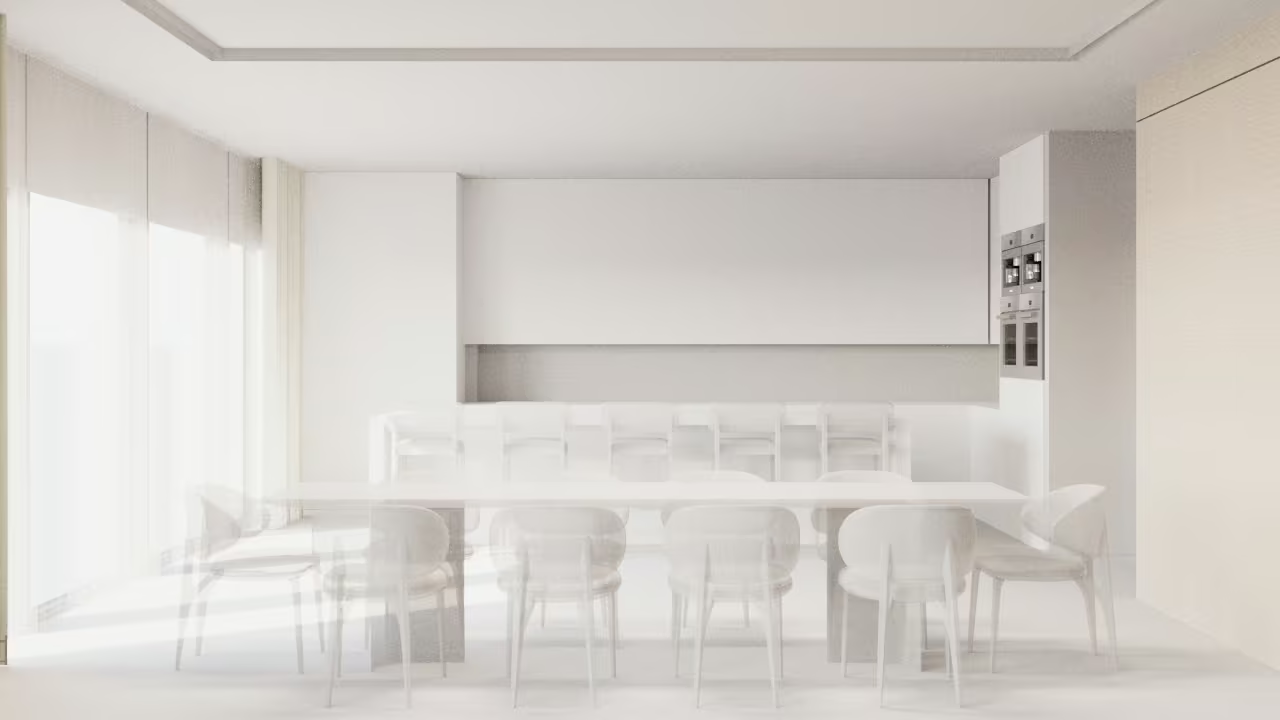
To address this, we have redefined our workflow with a clear objective: to produce more refined, meaningful imagery much earlier in the design process. By aligning more closely with the way our architects and interior designers develop concepts, we are now able to build upon their initial imagery and, where appropriate, directly utilise Revit models as a foundation for our visualisation. This shift allows us to work in parallel rather than in sequence, accelerating development while maintaining accuracy and design integrity.
The result is a more integrated, efficient process that delivers clearer narratives, stronger visual consistency, and higher-quality outputs at every stage, giving both our team and our clients greater confidence earlier in the project journey.
Delivering Greater Certainty, Earlier In The Design Journey
One of the most significant outcomes of our redefined visualisation process is the level of certainty it brings at earlier stages of a project. By producing more resolved imagery sooner, we are able to communicate design intent with far greater clarity, reducing ambiguity for both our internal teams and our clients. This early clarity supports more informed discussions, faster decision-making, and a shared understanding of the design direction from the outset.
By leveraging architectural concept imagery and, where appropriate, live Revit models, our visualisations are no longer speculative placeholders. Instead, they are grounded in the evolving design data, accurately reflecting scale, proportion, and spatial relationships. This allows potential issues to be identified earlier, design options to be tested visually, and refinements to be made with confidence before projects progress too far down the line.
For clients, this means fewer surprises, clearer expectations, and a stronger sense of control throughout the design journey. For our teams, it creates tighter collaboration, smoother transitions between stages, and a visual narrative that evolves in step with the architecture and interiors, ensuring the final outcome is both considered and consistent.
How Our 3D Process Elevates
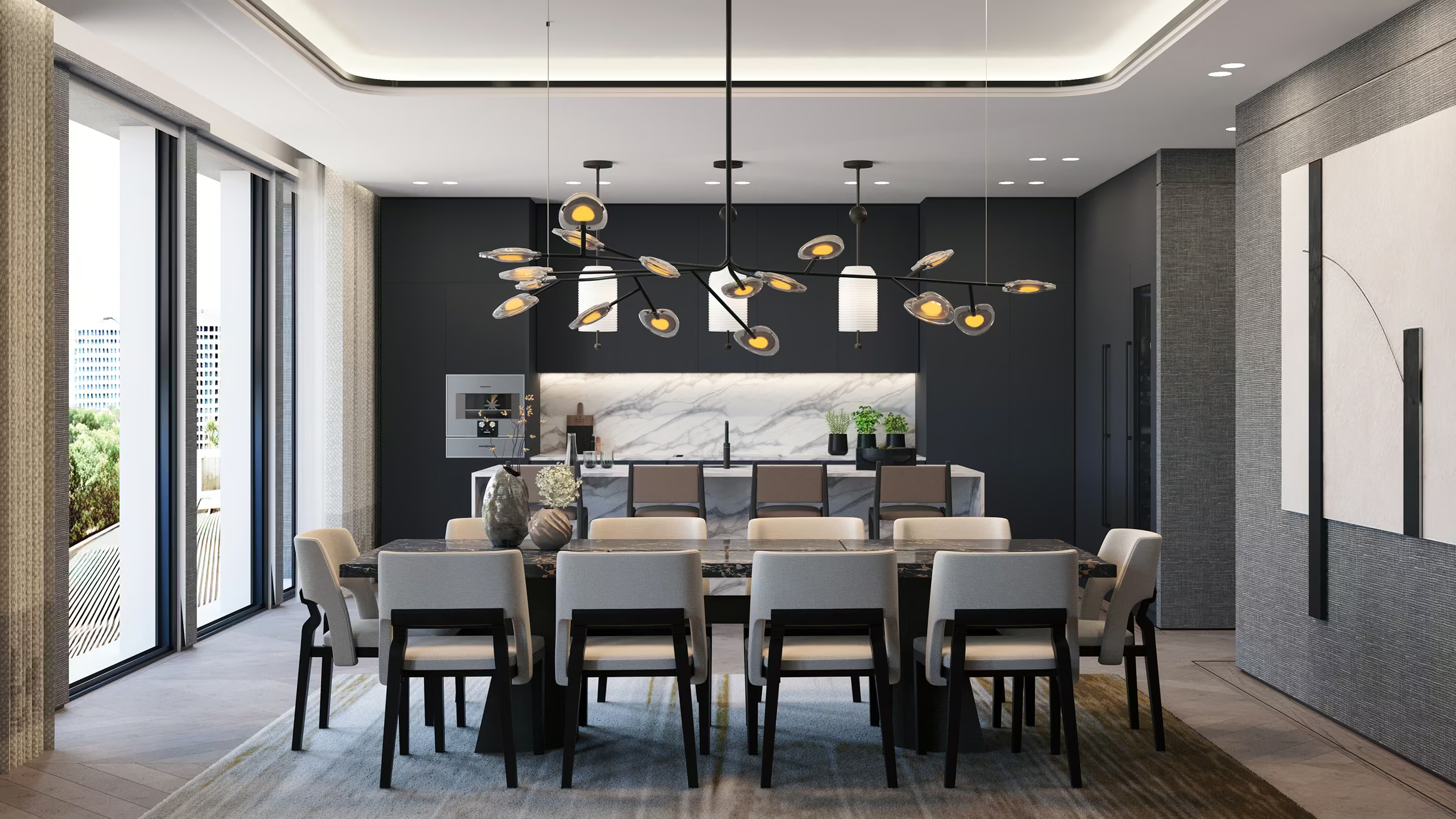
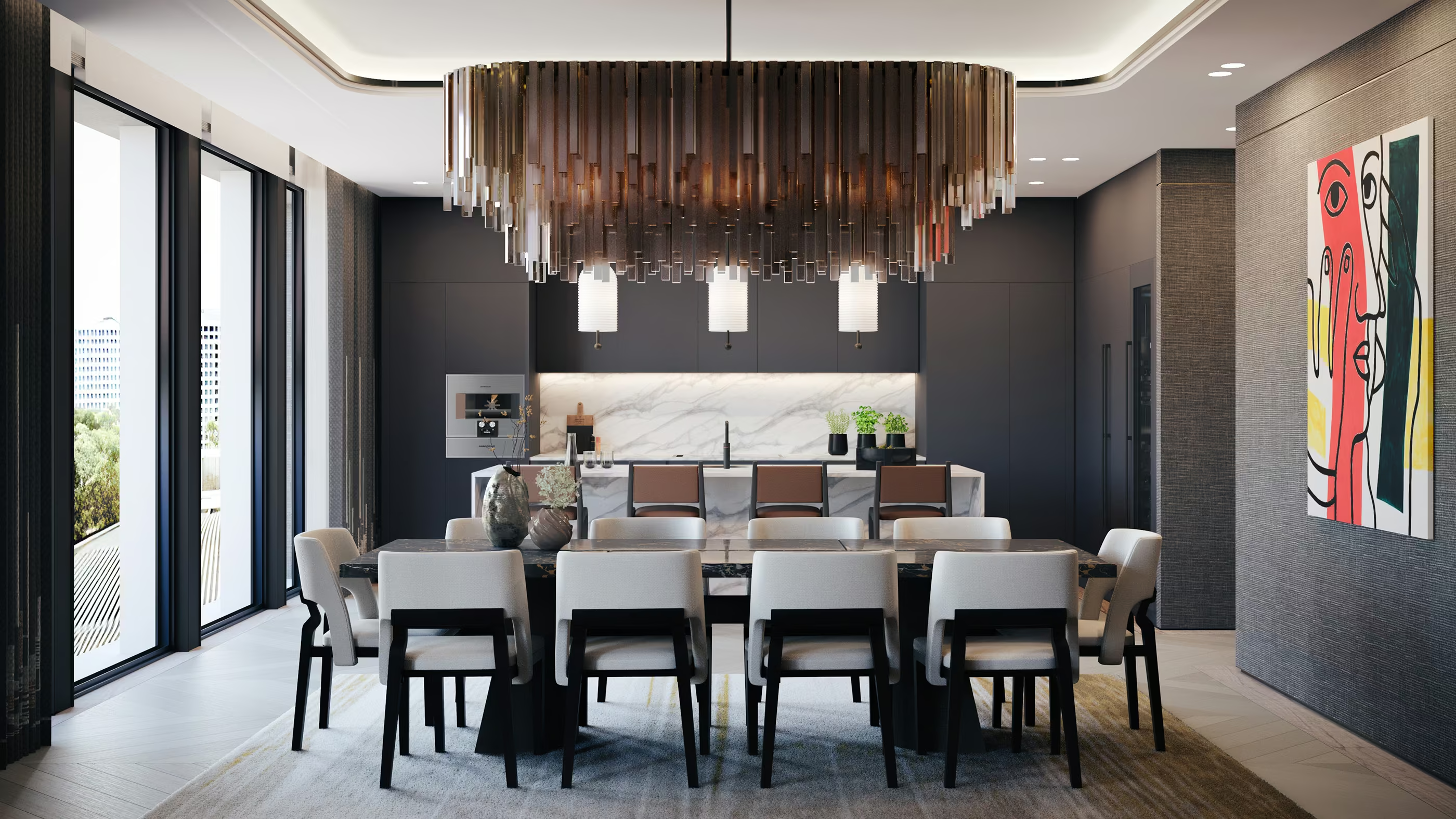
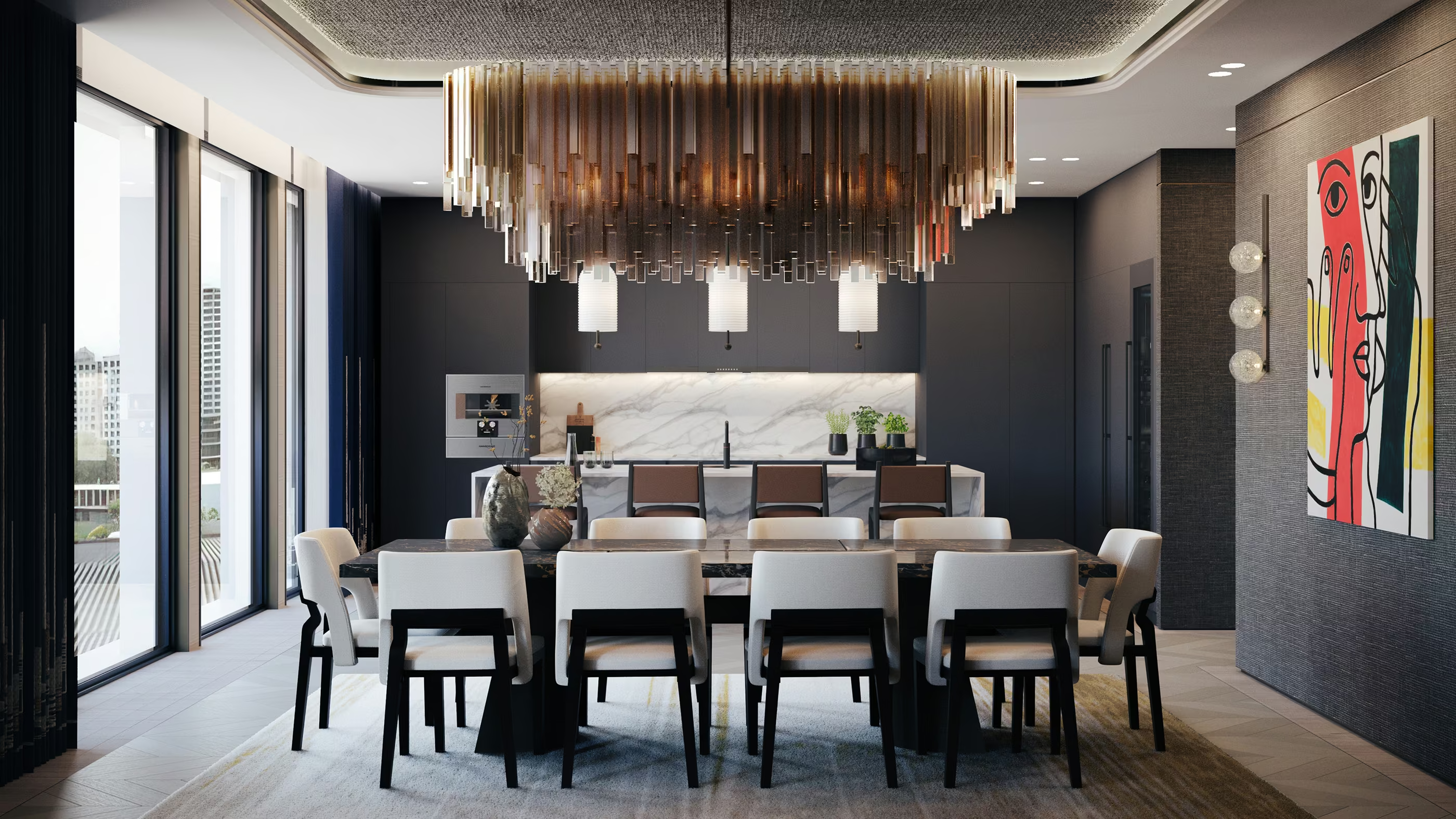
A more integrated and data-led 3D process fundamentally changes how decisions are made throughout a project. By grounding our visualisations in architectural intent and live design information from the outset, we provide a reliable visual framework that supports informed choices rather than assumptions. Design decisions are no longer made in isolation or based on abstract drawings alone, but tested and validated visually in real time.
Earlier access to accurate, spatially resolved imagery allows both our teams and our clients to interrogate design proposals with confidence. Scale, proportion, materiality, and sightlines can be assessed well before they become costly to amend. This proactive approach reduces the risk of late-stage design changes, coordination clashes, and misaligned expectations—common challenges in complex, high-end projects.
By identifying potential issues earlier and visualising solutions before they reach site, our 3D process acts as a risk-management tool as much as a design one. The outcome is a smoother design progression, greater cost and programme certainty, and a collaborative environment where decisions are made decisively, with clarity and intent.
Written by Lucy Marsh



.jpg)


