


UpLift London

Creativity Meets Emerging Technology
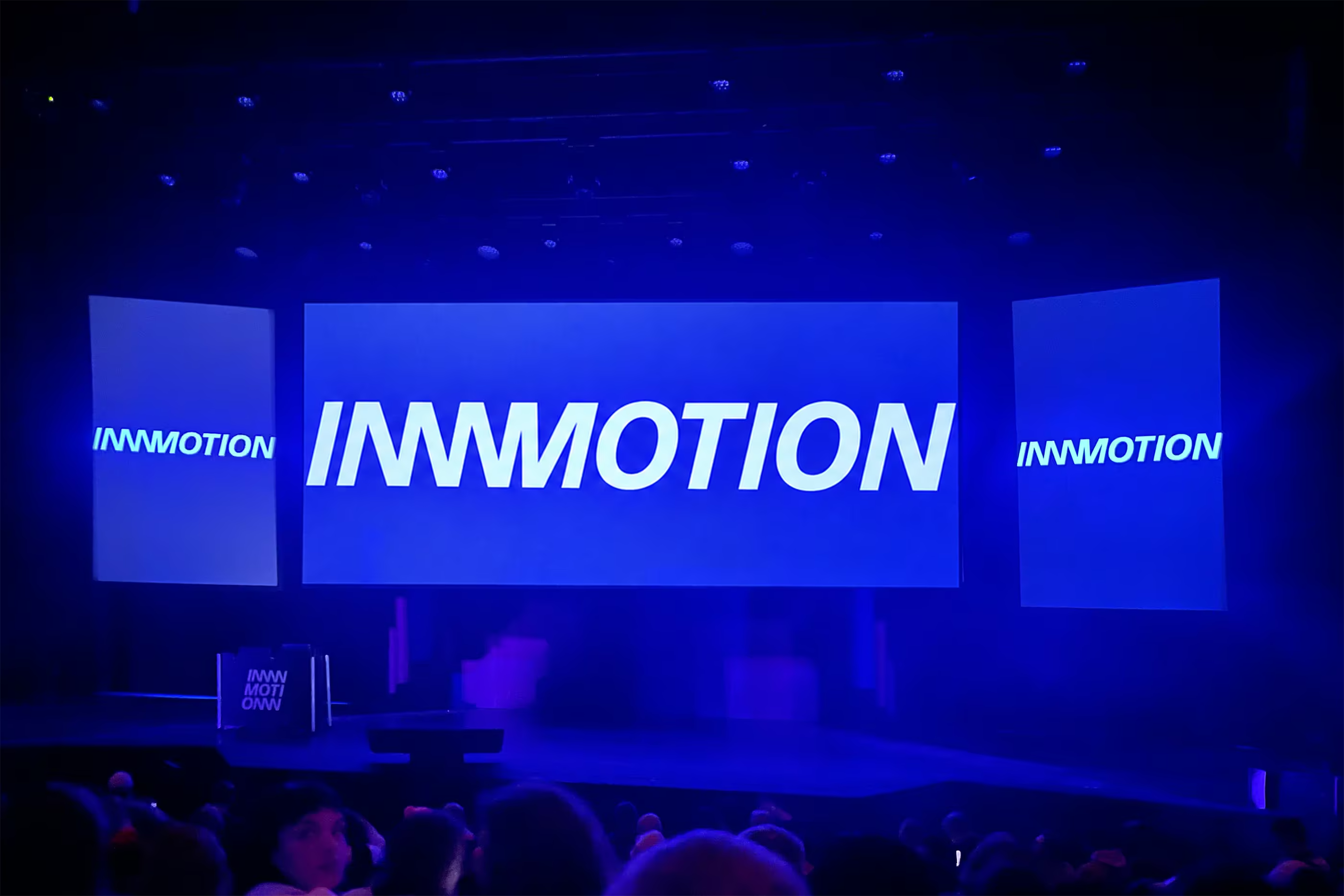
Recently, I attended the third edition of UpLift London, hosted by Chaos, 3D London, Creative Lighting and Elmtec. The event brought together artists, designers, visualisers, and creative technologists for a day focused on inspiration, innovation, and meaningful industry conversation.
Designed around talks, discussions, portfolio reviews and collaborative networking opportunities, the event explored how creativity and technology continue to shape the future of visual storytelling and design workflows.
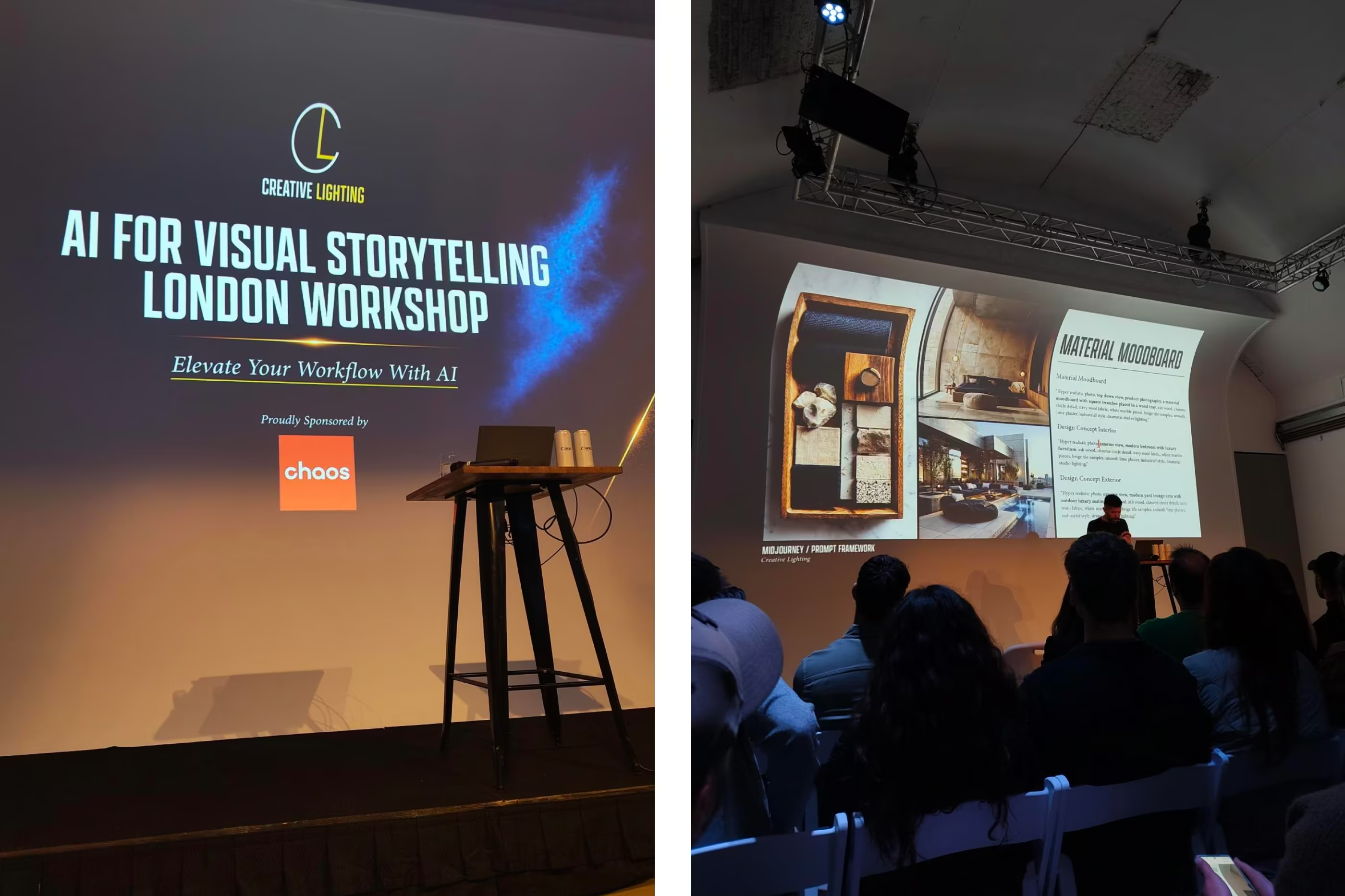
One of the standout sessions I attended focused on the rapidly evolving role of AI within the creative industry. Led by a specialist in AI testing and development, the presentation explored some of the latest high-quality AI platforms currently being used across creative sectors. The session provided practical insight into how these tools can enhance workflows, streamline repetitive tasks, and support ideation without replacing the creative thinking and craftsmanship that underpin strong design work.
A particularly valuable aspect of the discussion was the honest comparison between platforms, alongside guidance on how creatives can integrate AI responsibly and effectively into their processes. Rather than positioning AI as a threat, the talk reinforced the importance of using it as a tool to elevate creativity, efficiency, and experimentation.
Insights from the Creative Community
Beyond the presentations, one of the most rewarding aspects of the day was connecting with fellow creatives from across the industry. Conversations centred around both the opportunities and challenges currently shaping the creative landscape. A recurring challenge discussed was the pressure to keep pace with the rapid development of AI technologies and the increasing level of competition within the industry. At the same time, many shared that having a clearly defined niche, whether in motion, high-end modelling, animation, or specialist visualisation, continues to be a major strength and differentiator for studios and individuals alike.
Later in the day, I attended two further presentations that showcased the technical innovation and imagination driving the industry forward.
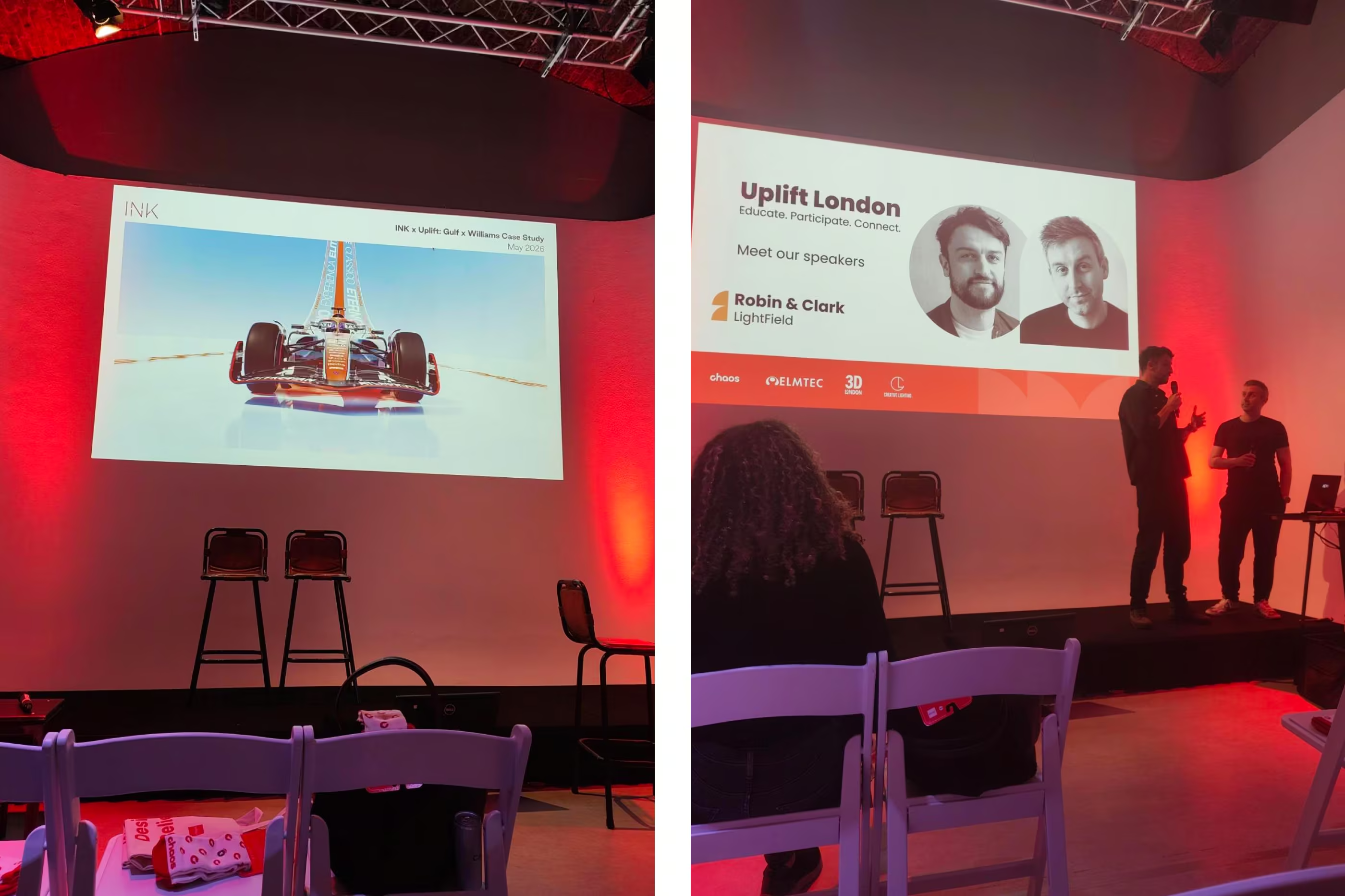
The first, by INK, demonstrating their process for modelling a Formula 1 car using only a series of reference photographs. Seeing the level of accuracy and detail achieved through photogrammetry and modelling workflows was particularly impressive, highlighting how far digital reconstruction techniques have evolved.
The final presentation, by Lightfield, explored the creation of highly detailed models developed for a series of imaginative and unconventional animations. Their work stood out not only for its technical precision, but also for the originality of the concepts and the insight they shared into their creative development process.
Creative Innovation
Overall, UpLift London was an inspiring and valuable experience that reinforced the importance of community, adaptability, and innovation within the creative industry. The event successfully balanced technical knowledge with open conversation and creative exploration, offering attendees both practical insight and fresh inspiration to take back into their own work.
At Rigby & Rigby, many of the themes explored throughout UpLift London strongly reflect our own approach to design and visualisation. As the industry continues to evolve, we remain committed to embracing emerging technologies, refining our workflows, and staying informed on the latest creative developments. Whether through the integration of new tools, advances in visualisation techniques, or continued collaboration across disciplines, our focus remains on delivering innovative, high-quality outcomes for our clients while maintaining the attention to detail and creative excellence that define our work.
For anyone working within design, visualisation, animation, or digital storytelling, events like UpLift London provide an important opportunity to stay connected with emerging technologies, evolving workflows, and the wider creative community.
Written by Lucy Marsh