


Furniture with a Story: Designing Spaces Around One Meaningful Piece
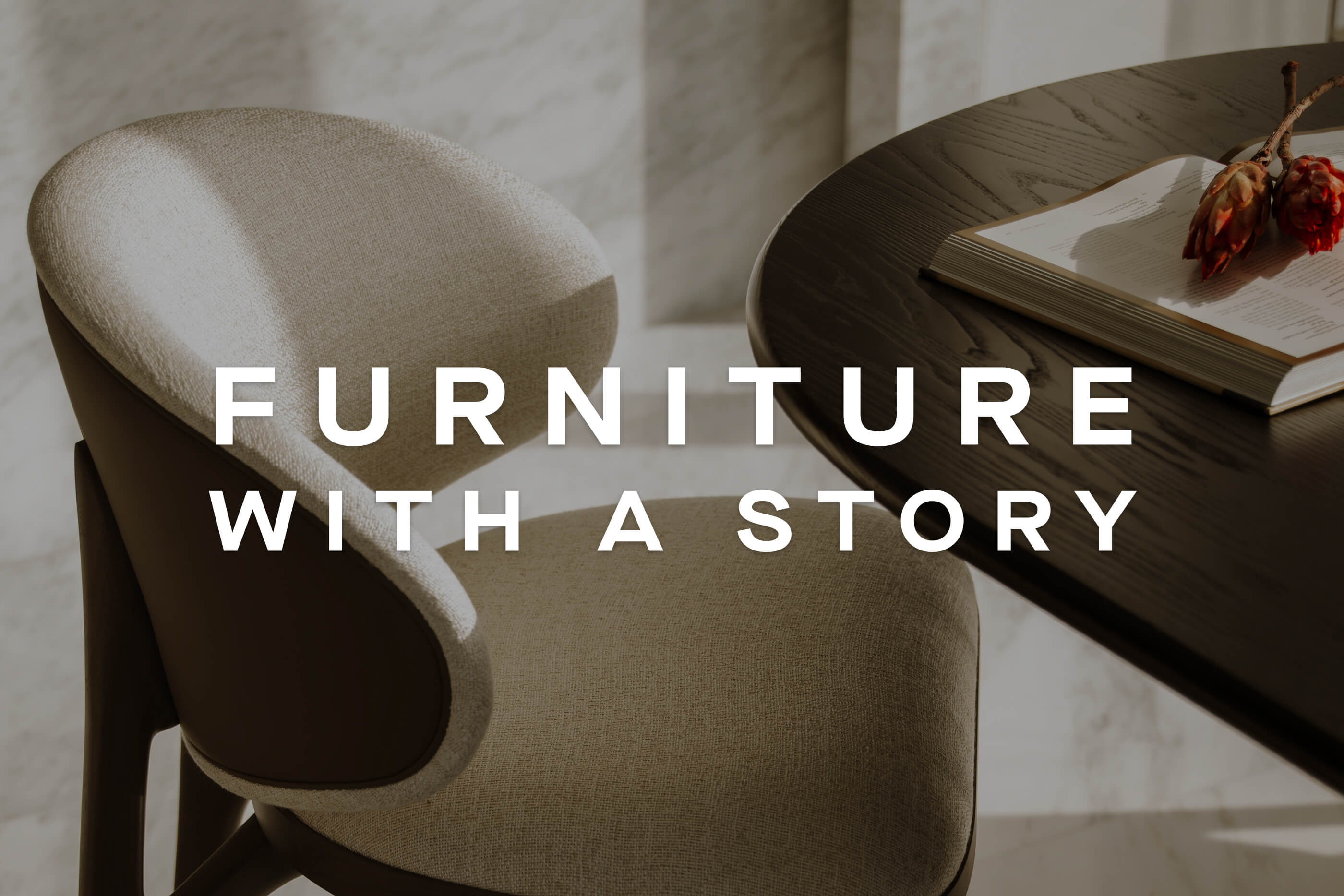
The process of designing a space often startes with colour palettes, architectural features or trends. But some of the most memorable spaces start with something far more personal: a single piece of furniture with a story. A well used dining table passed down through generations, a vintage chair found at a flea market, or a handcrafted cabinet made by a local artisan can become the emotional center of a room. Designing around such a piece turns an interior from simply beautiful into something deeply personal.
A meaningful furniture piece carries more than function; it carries memory. Unlike mass-produced items, it often shows signs of age, use, or craftsmanship that reflect time and human touch. These imperfections give the object character, and that character can guide the rest of the design. Instead of forcing the piece to “fit in,” good design allows the space to grow around it. Its material, shape, or color can guide choices in lighting, textures, and accessories, creating a sense of harmony without exact matching.
Placement also matters. A meaningful piece deserves intention, not clutter. Giving it visual breathing room helps it feel important. This might mean positioning it where natural light highlights its texture or arranging other furniture to subtly lead the eye toward it. The room’s layout can quietly say, “This piece matters.”

What makes this approach powerful is that it resists trends. While styles change quickly, personal stories last. A room designed around a meaningful object feels authentic because it reflects the person living in it, not just a design rulebook. Visitors may not know the story behind the piece, but they can sense that the space has depth and purpose.
Designing around one special piece also encourages sustainability. Instead of constantly replacing furniture, this approach values what already exists. It promotes reusing, restoring, and appreciating objects rather than discarding them. In this way, good design becomes both emotional and responsible.
Ultimately, furniture with a story reminds us that interiors are not just about how spaces look, but about how they feel. When a room is built around something meaningful, it becomes more than a collection of objects—it becomes a reflection of memory, identity, and lived experience.

Written by Rebecca Dix




.jpg)