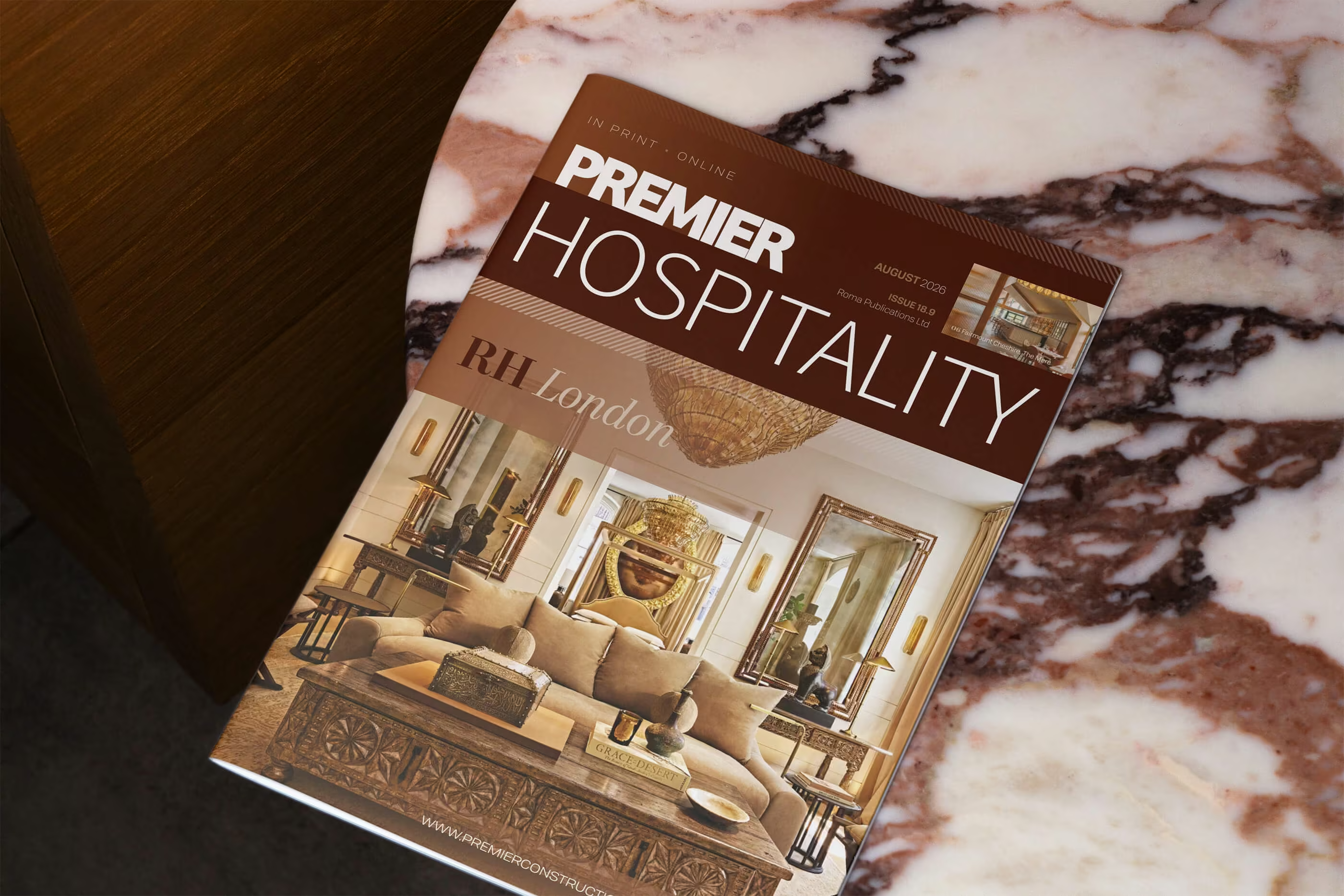




Designing a Double-Height Room: Turning Space into Statement

A double-height room offers drama, light, and a strong architectural presence, but without thoughtful design, it can feel either empty or overwhelming. Successful interiors balance a scale while maintaining warmth and functionality.
The first key element is vertical balance. Tall walls should be visually broken up using large-scale artwork, vertical paneling, textured finishes, or feature lighting. This draws the eye upward while preventing the space from feeling bare or cavernous.

Lighting plays a crucial role. Statement chandeliers, clusters of pendants, or cascading lights help define the height and become focal points. Layered lighting at lower levels, such as floor lamps and wall lights, keeps the room comfortable and directs focus at eye level, especially at night.
Furniture should match the room’s proportions. Oversized or sculptural pieces ground the space and prevent it from feeling dwarfed. Low seating can balance height, while taller elements like bookcases or indoor trees help connect the lower and upper levels.

Acoustics are important. Rugs, curtains, upholstered furniture and textured surfaces help absorb sound, making the room feel calmer and more livable.
Finally, cohesion matters. Repeating materials, colors, or design details across both levels visually ties the space together. When designed thoughtfully, a double-height room becomes not just impressive, but inviting, balanced, and purposeful.
Written by Rebecca Dix