





Augmented Visualisation - Elevating the Unbuilt - AI LAB
PHILOSOPHY Enhancing Reality, Not Replacing Rigor
In the rapidly evolving landscape of architectural visualisation, a critical distinction must be made between “generation” and “augmentation.” In our studio, we adhere to a strict hierarchy: Architecture comes first; Artificial Intelligence follows. We recognise that for professional design, the structural integrity of a space is non-negotiable. Therefore, we never rely on AI to generate geometry from scratch. Every visual we produce begins with a rigorously defined, physics-based 3D environment, constructed from CAD data, BIM models, or precise laser scans.
We view AI strictly as a powerful instrument for visual communication, not architectural generation. In the high-end residential sector, where every millimetre matters, the structural integrity and spatial logic of a home remain non-negotiable and must be human-led. Consequently, we never rely on AI to generate geometry from scratch. Every visual, whether a static rendering or a cinematic walkthrough, begins with a rigorously defined design intent authored by our team. This ensures that the ‘bones’ of the project remain immutable and buildable, eliminating the ‘hallucinations’ common in purely generative workflows.
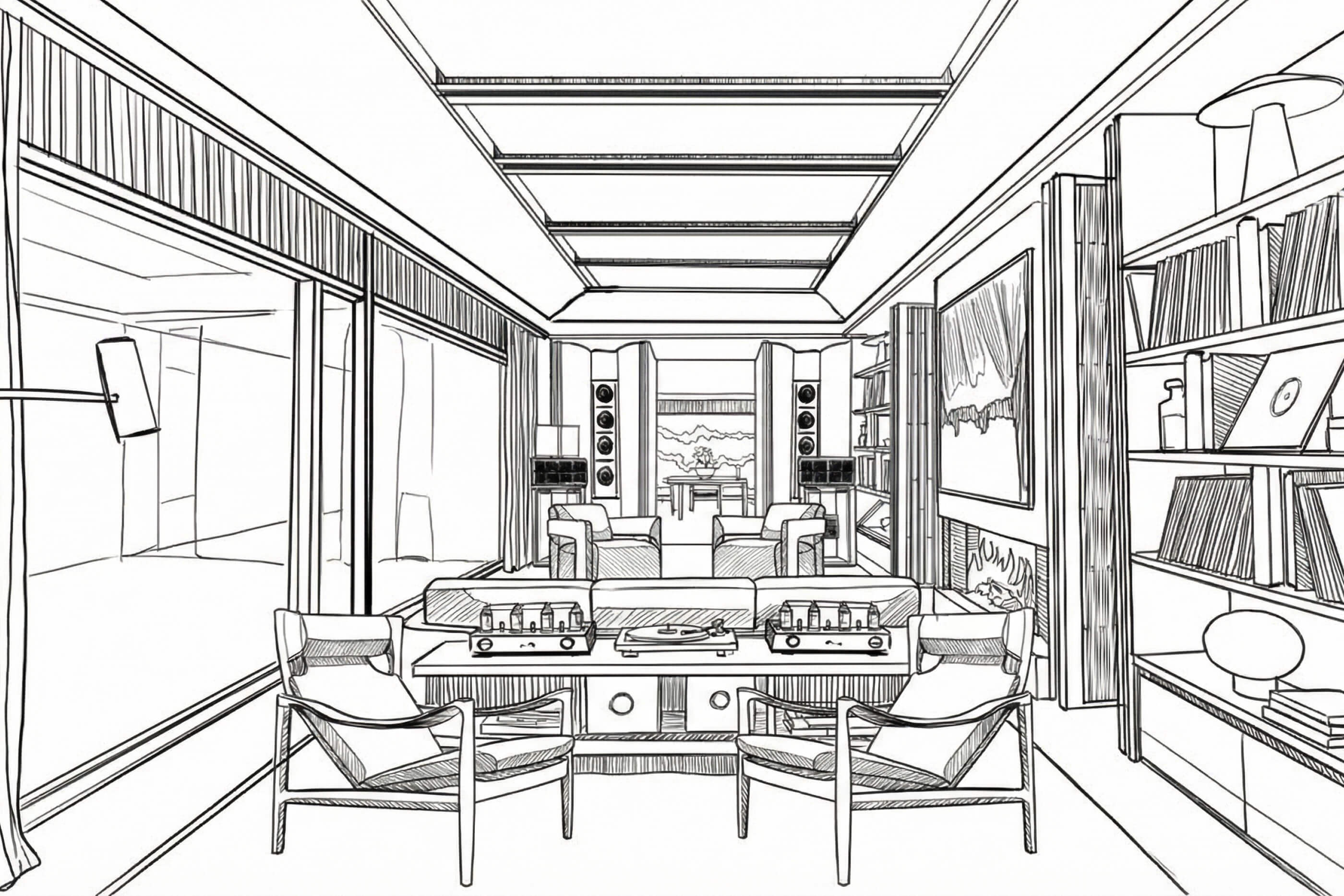
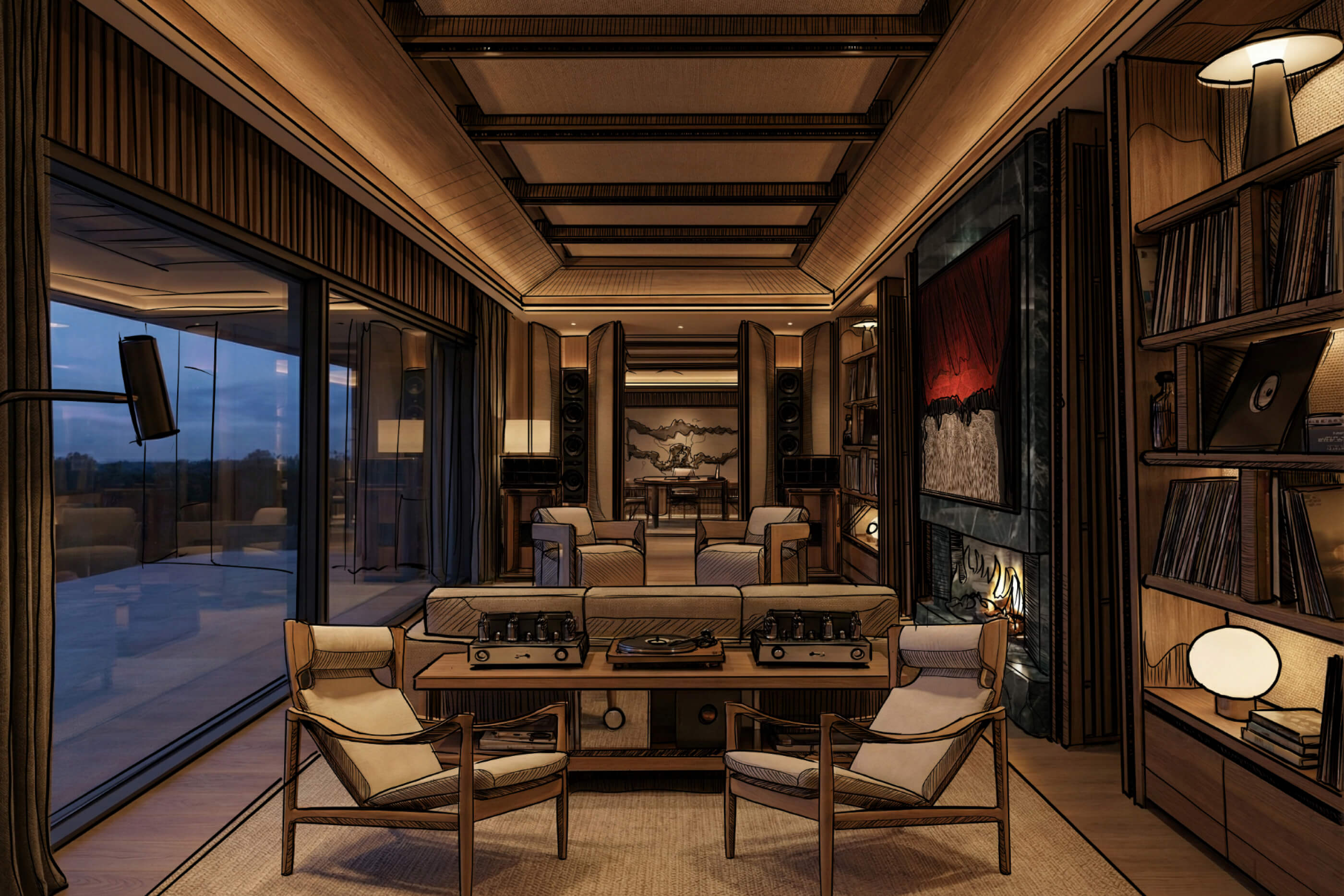
This technological synergy is perhaps most evident in our conceptual phase, where we utilise AI to translate hand-drawn architectural sketches into evocative, high-fidelity visualisations. This allows us to rapidly illustrate complex ideas and explore atmospheric directions without compromising the underlying structural intent. It provides a fluid bridge between a designer’s initial spark and a client’s immediate understanding.
Beyond Visuals: Crafting Emotional Resonance
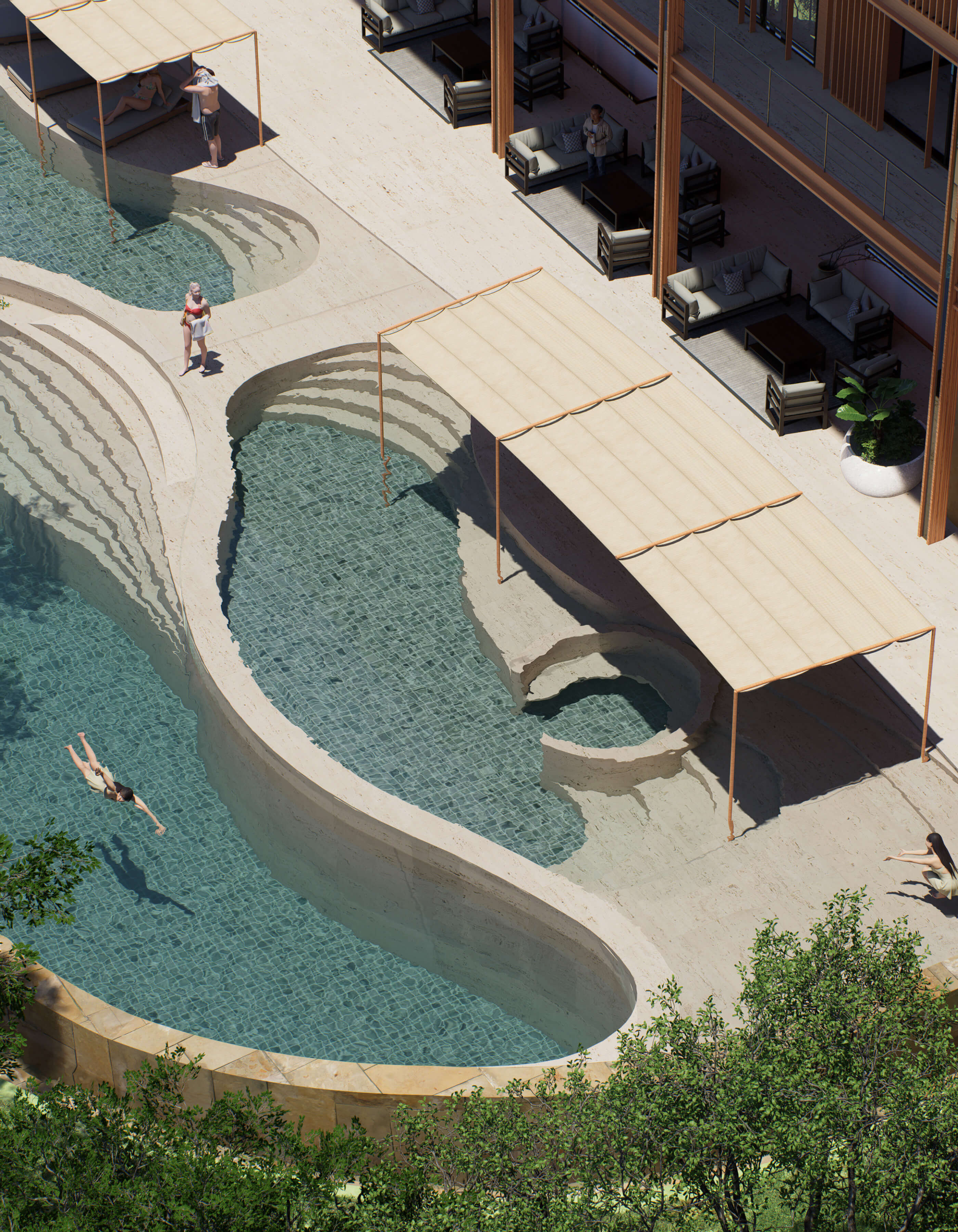
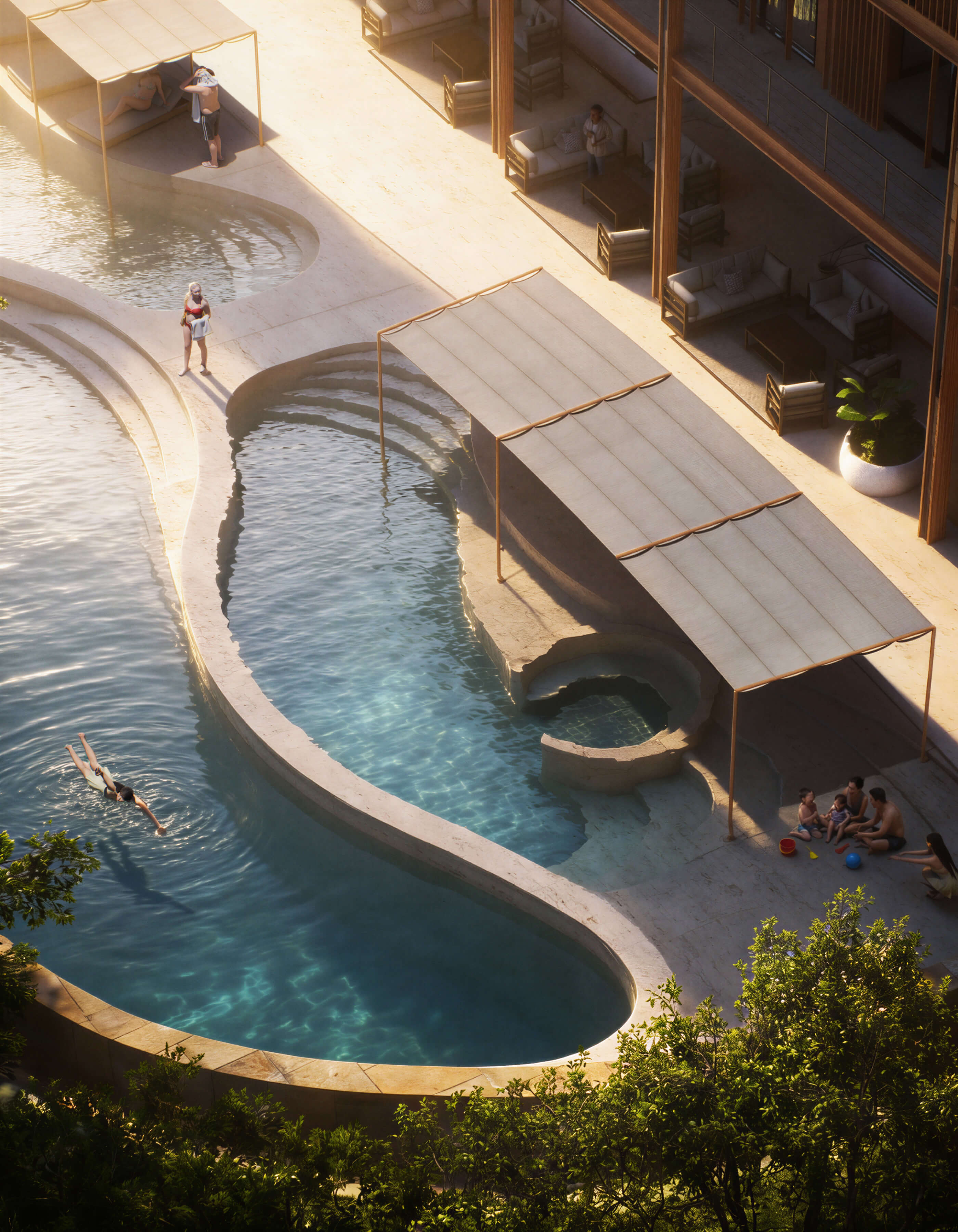
Once the architectural intent is solidified through legacy rendering methods, AI is introduced as a sophisticated layer of digital craftsmanship. Standard 3D renderings, despite their technical perfection, often suffer from a clinical sterility that fails to capture the essence of a lived-in luxury home.
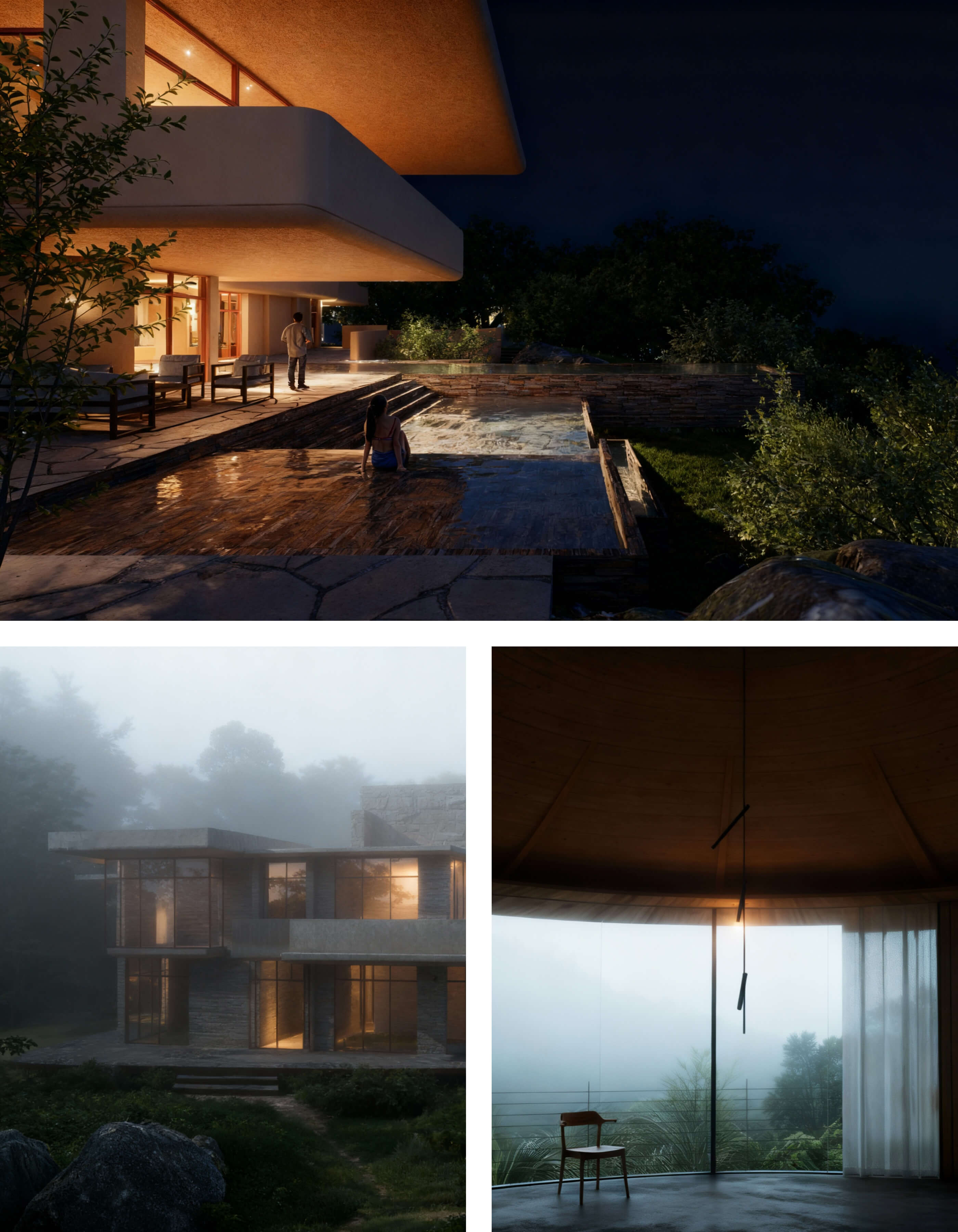
We leverage AI models to bridge the gap between technical correctness and emotional resonance. By injecting subtle nuances—the micro-texture of specific marble, the soft bloom of light through sheer linen, or the atmospheric density of a foggy Thai morning—we transform the image into a storytelling vessel. This is crucial for our discerning clientele: it allows them not just to see the space, but to sense its acoustics, warmth, and tactile quality before construction begins. It turns an image into a verifiable prediction of their future lifestyle.
Efficiency: Streamlining the Dialogue
Perhaps the most tangible value of this workflow lies in how it respects our clients’ time. In the complex landscape of super-prime design, ambiguity is the enemy of progress. Traditional visualisation methods often required days to re-render simple material changes, slowing down the feedback loop.
Our AI-augmented pipeline acts as a dynamic engine for clarity. It allows us to rapidly organise inspiration and iterate through mood, material, and lighting variations, a process we call ‘Optioneering’. By presenting these refined options with near real-time agility, we drastically reduce the ‘translation gap’ between designer and client. This visual clarity minimises the friction in communication, ensuring that feedback is precise and decisions are made with confidence. The result is a highly efficient design process where meetings are focused on refining the vision rather than interpreting the visuals.
Ultimately, technology at Rigby & Rigby serves the narrative, never the other way around. Our architects and interior designers act as conductors, orchestrating AI tools to perform specific visualisation tasks while retaining absolute control over composition and style.
In an industry often caught between tradition and automation, we choose symbiosis. By offloading the labour of subtle texture simulation and lighting calculation to AI, our team is freed to focus on what defines Rigby & Rigby: rigorous research, bespoke detailing, and the creation of uncompromisingly exceptional spaces.
Where Process Becomes Identity
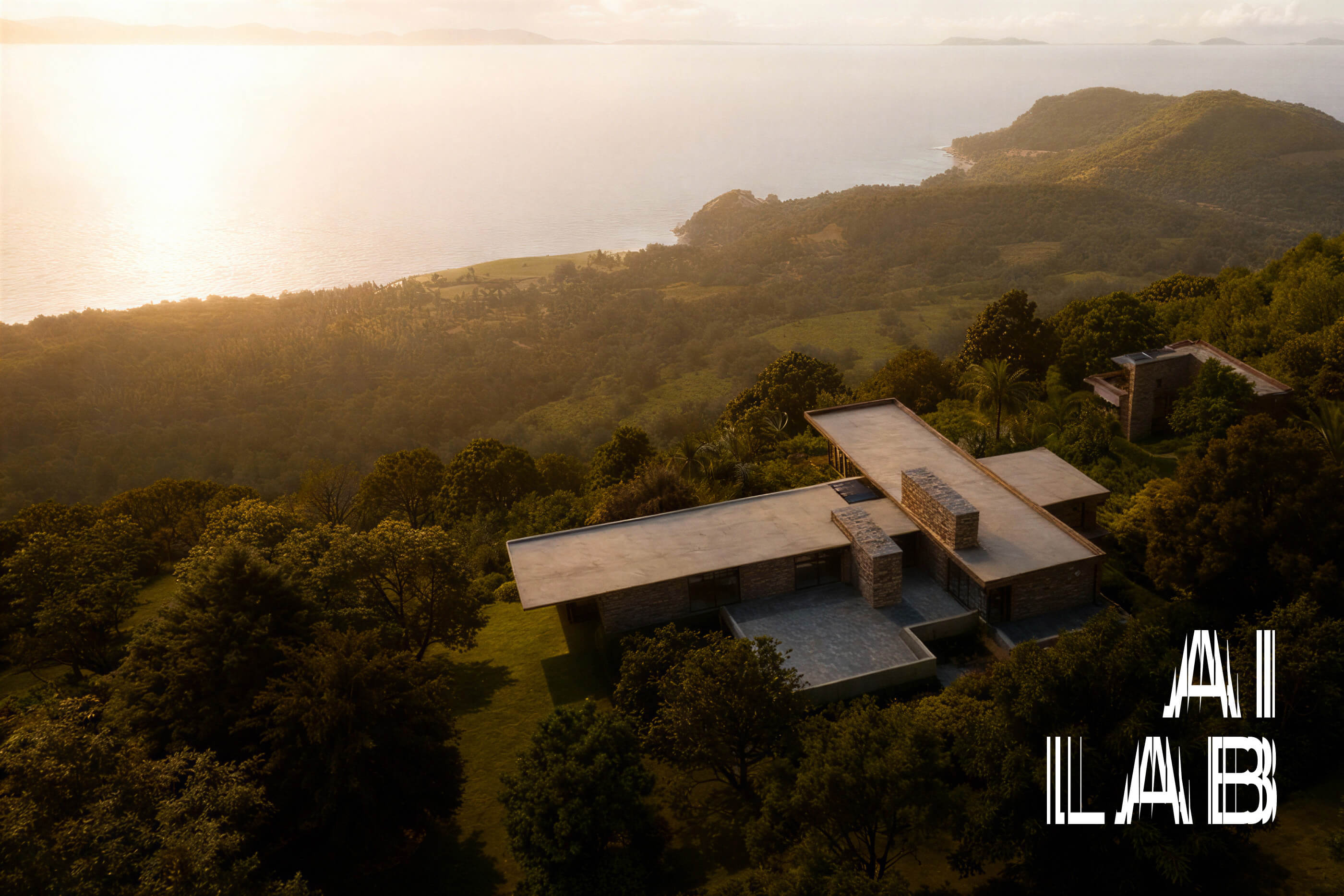
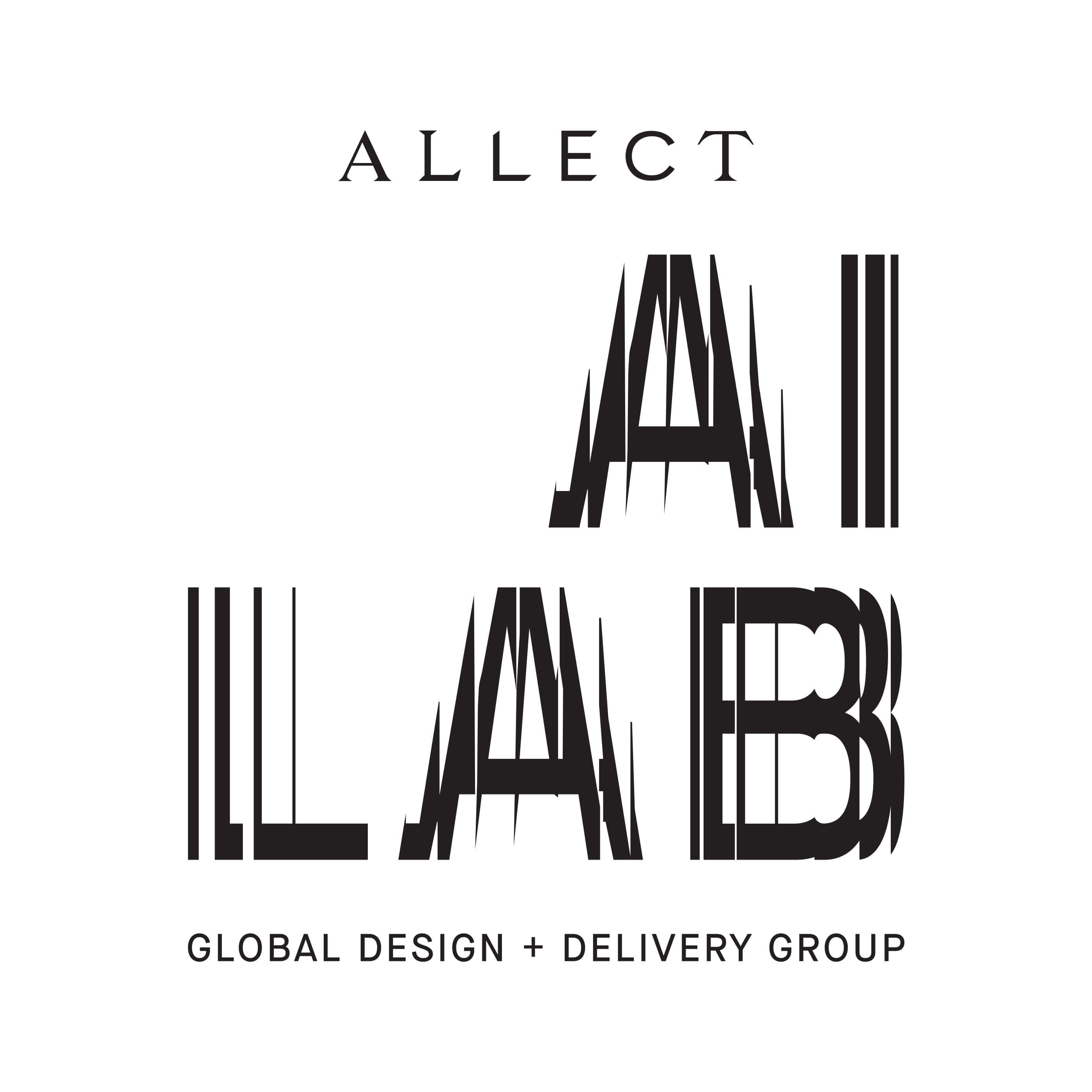
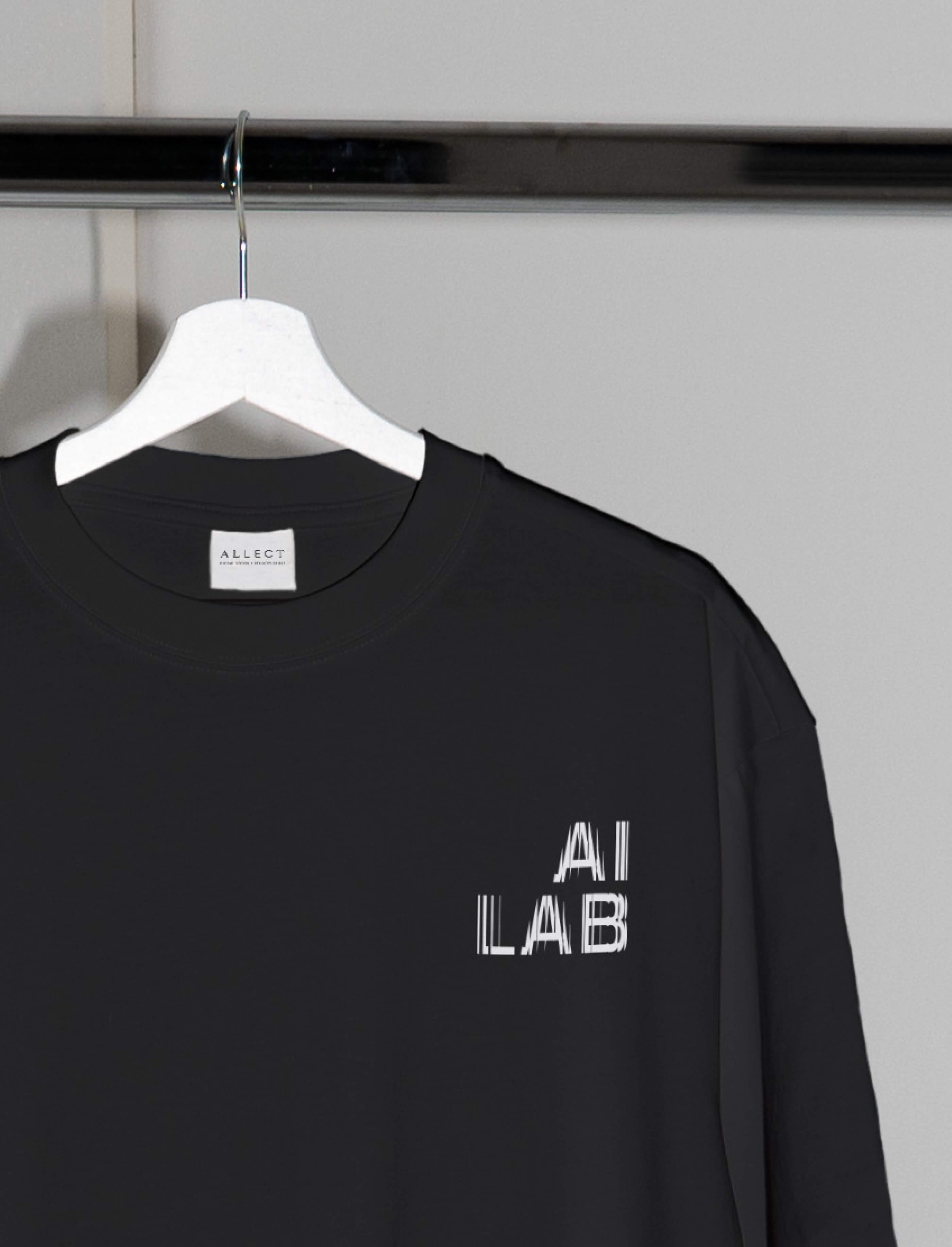
To formally introduce the launch of AI Lab, we designed a distinct visual identity that mimics its philosophy. Developed by our creative division, the Lab’s logo adopts a deliberately repetitive glitch, an expression not of failure, but of process. It reflects the iterative cycles through which AI refines an image, as well as the controlled unpredictability inherent in working at the edge of emerging technology. The glitch mirrors our workflow, structured foundations disrupted by moments of experimentation, always guided by human intent. In this way, the identity becomes a visual shorthand for AI Lab’s purpose, where precision and chaos coexist, and where technology is not allowed to dominate the narrative, but to challenge, provoke, and ultimately elevate the craft.

.jpg)

.jpg)


