Why London Homes Benefit From an International Design Perspective
Great interior design is about more than how a space looks. It is about how it feels to live in it.
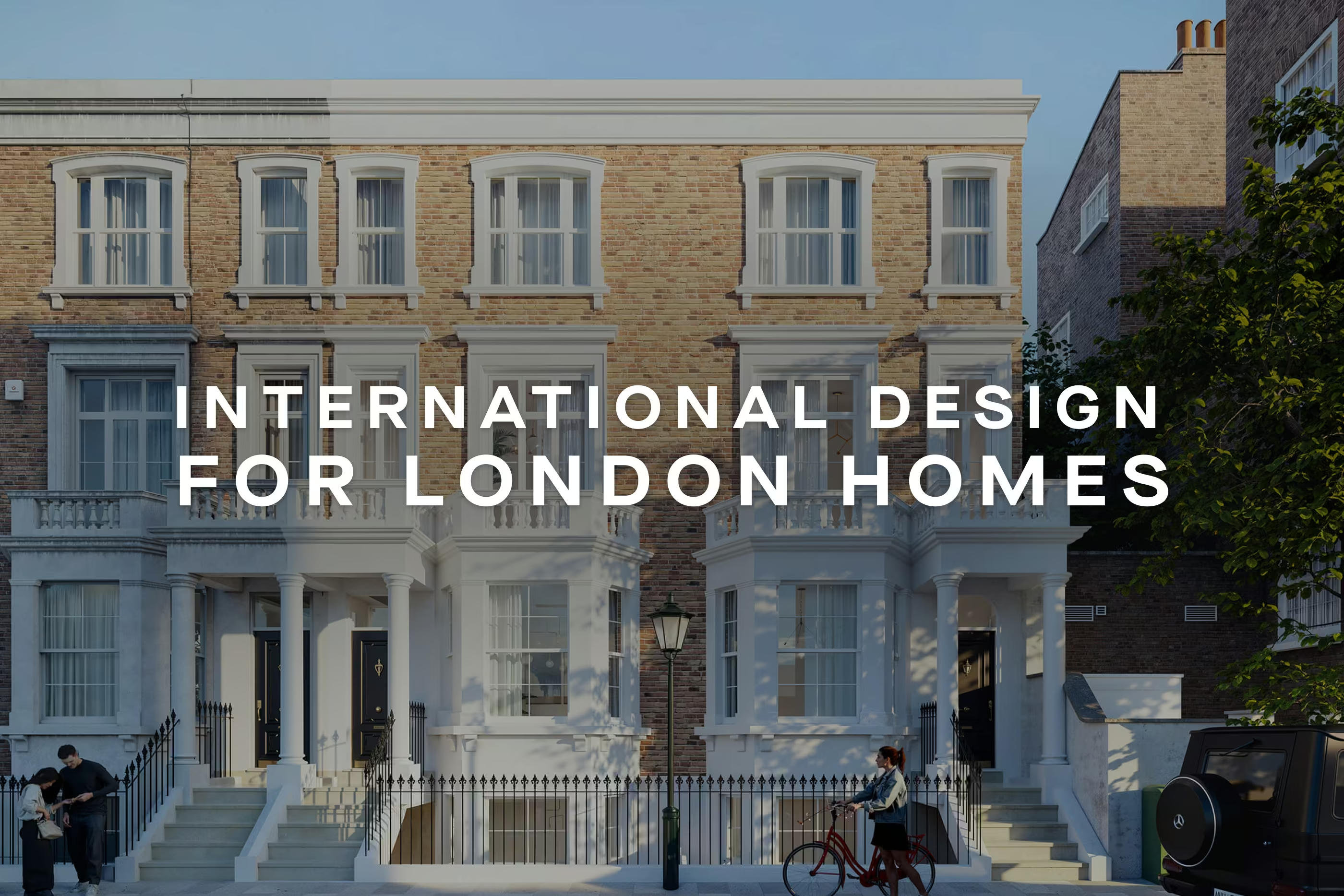
London’s homes reflect a rich mix of cultures, architectural styles and ways of living. From period townhouses to contemporary apartments, each presents an opportunity to create spaces that balance light, harmony and everyday comfort.
At R&R, our international projects have taught us that some of the most valuable design insights come from looking beyond familiar approaches. Working across different countries and cultures has allowed us to explore how people interact with their surroundings, what makes a space feel comfortable and how thoughtful design can improve everyday living.
From the principles of Feng Shui in Tokyo to the considered use of light in Oslo and the relaxed philosophy of Sabai Sabai in Thailand, these experiences continue to shape how we approach residential interiors. For our London clients, this international perspective offers an opportunity to create homes that are not only beautiful, but also more intuitive, balanced and personal.
Finding balance: lessons from Tokyo
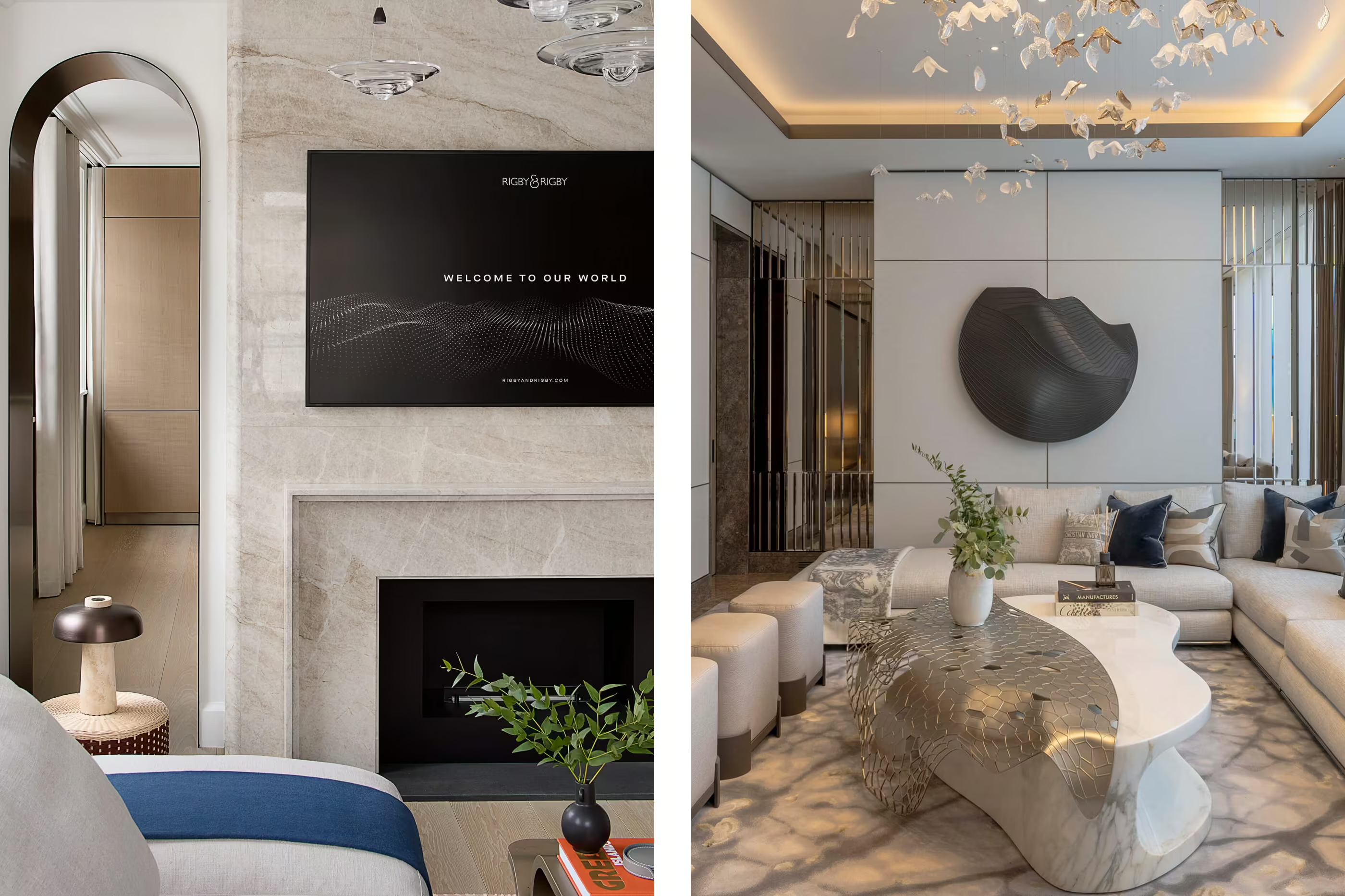
Our Tokyo project introduced us to the principles of Feng Shui and the importance of considering how energy, movement and balance influence the experience of a space.
Rooted in Chinese tradition, Feng Shui explores the relationship between people and their surrounding environment. In interior design, this can involve thinking carefully about the arrangement of furniture, the flow of movement through a room, the relationship between natural elements and the overall sense of harmony within a home.
What we took from this experience was the value of looking beyond individual design features and considering how a space works as a whole. A beautifully furnished room may still feel uncomfortable if circulation is awkward, the layout lacks balance or the relationship between different areas feels unresolved.
These principles can be particularly relevant in London, where space is often at a premium. In a Victorian terrace, for example, a considered furniture layout can improve movement between living and dining areas. In an apartment, thoughtful zoning can help create a sense of separation between work, rest and entertaining without making the space feel smaller.
At R&R, the lesson is not to apply a set of rules rigidly, but to understand the intention behind them. By considering flow, proportion, natural materials and the placement of key furnishings, we can create interiors that feel calmer, more cohesive and better suited to the people who inhabit them.
Making light work harder: lessons from Oslo
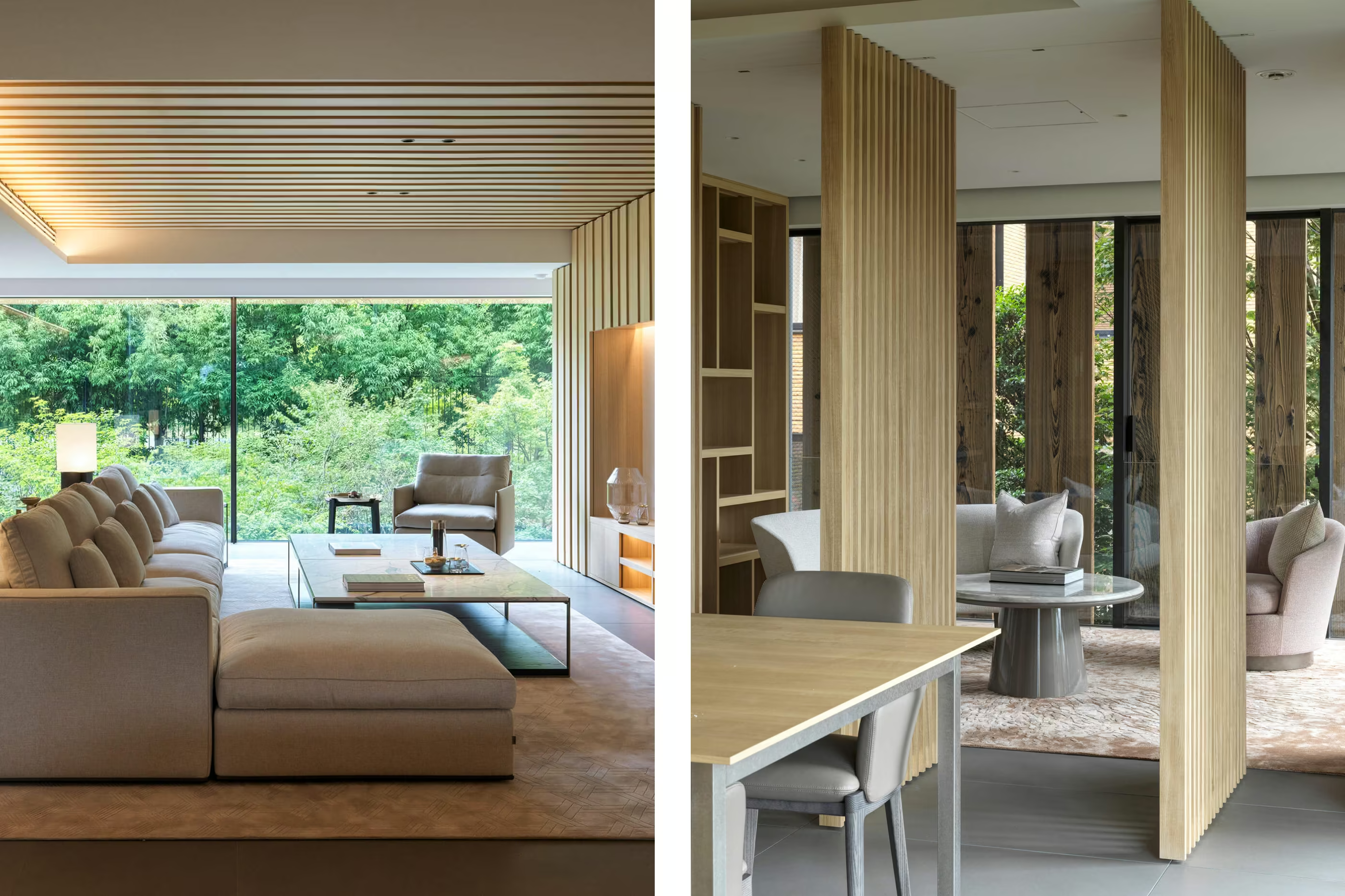
Our Oslo project highlighted the importance of lighting, particularly in environments where natural daylight can be limited.
Light has a profound influence on how we experience an interior. It affects the atmosphere of a room, the way colours and materials appear, and whether a space feels inviting or flat. When daylight is scarce, thoughtful lighting becomes an essential part of the design rather than a finishing touch.
This lesson has clear relevance in London. Many homes, especially period properties, have rooms that receive limited direct sunlight, while neighbouring buildings, narrow floor plans and north-facing windows can all influence the quality of natural light indoors. During the darker months, these challenges become even more noticeable.
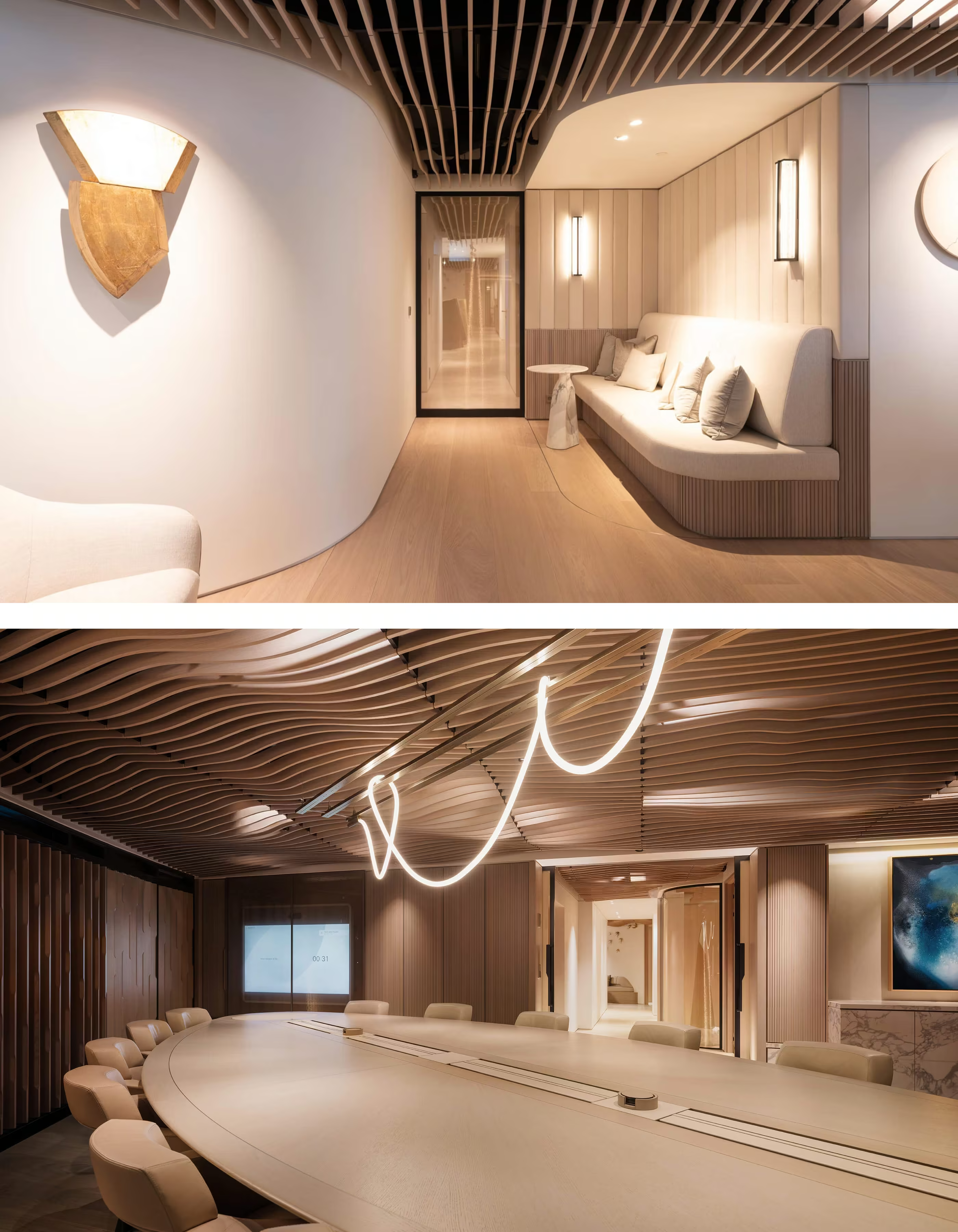
Our experience in Oslo reinforced the value of a layered lighting scheme. Rather than relying on a single central ceiling light, we consider how ambient, task and accent lighting can work together to create depth and flexibility. Wall lights can soften a hallway, table lamps can introduce warmth to a living room, and carefully positioned task lighting can make a kitchen or study more functional.
The choice of colour temperature, the direction of light and the surfaces it illuminates are equally important. Lighter finishes may help reflect available daylight, while mirrors and carefully selected materials can contribute to a brighter, more open feel. In the evening, warmer pools of light can create a more intimate atmosphere without sacrificing practicality.
For R&R, lighting is an integral part of the architectural and interior concept. By considering it early in the design process, we can help London homes feel brighter, more layered and more comfortable throughout the day and across the seasons.
Creating a sense of ease: lessons from Thailand
Our Thailand project introduced us to the idea of Sabai Sabai — a Thai expression associated with feeling relaxed, comfortable and at ease.
As a design inspiration, Sabai Sabai encourages us to think about the emotional experience of a home. It suggests an environment that feels welcoming rather than formal, where comfort, harmony and a connection to the natural world are central to everyday life.
This way of thinking can be expressed through open layouts, natural airflow, soft lighting, organic materials and a thoughtful balance between simplicity and warmth. It is less about a particular look and more about creating the conditions for a home to feel effortless to inhabit.
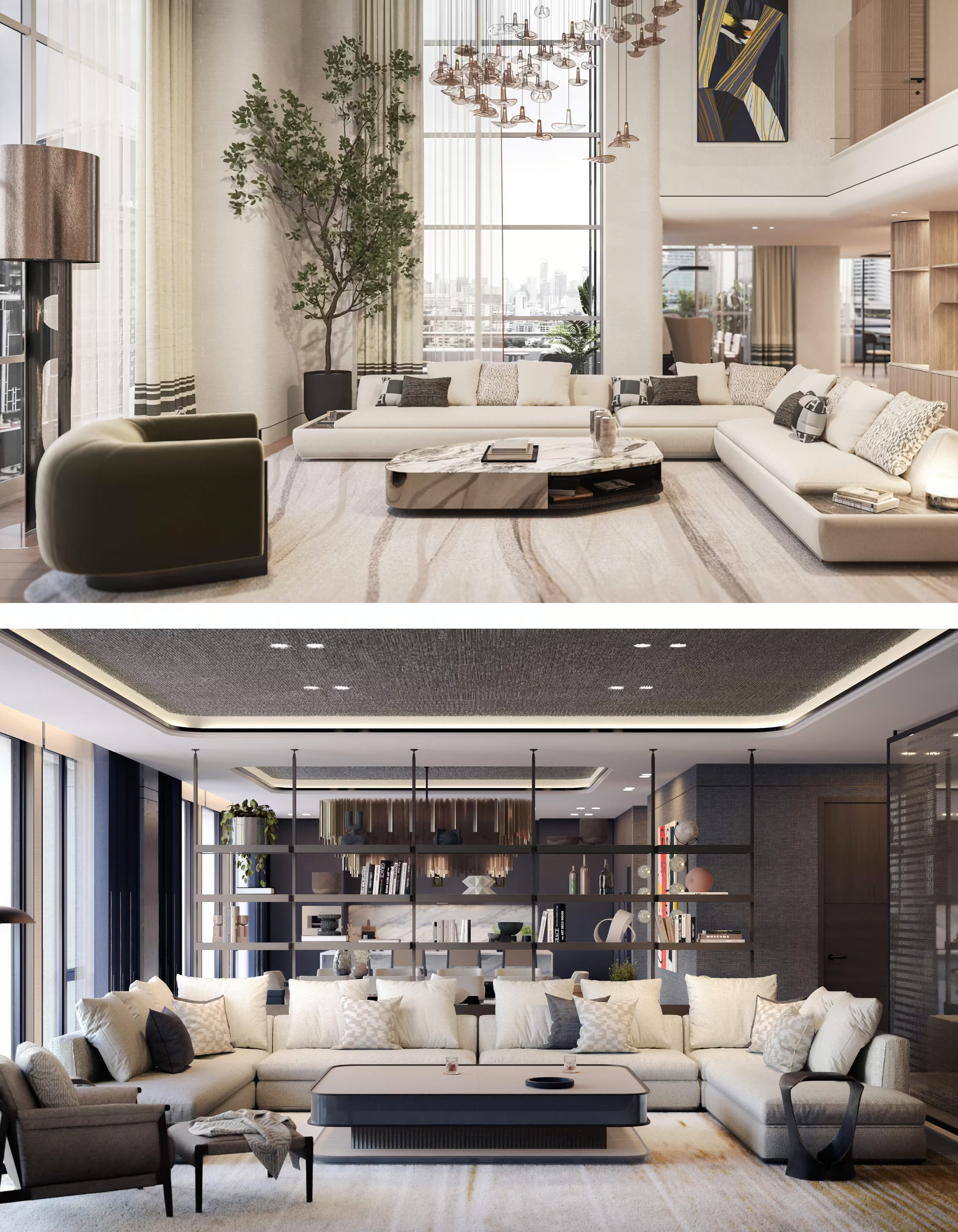
For London homeowners, this can mean rethinking how a space supports daily routines. A living room might benefit from a more relaxed furniture arrangement that encourages conversation, rather than being organised purely around a focal point. Natural timber, tactile fabrics and softer finishes can bring warmth to an urban setting, while carefully considered storage can reduce visual clutter and make everyday living feel simpler.
At R&R, Sabai Sabai is a reminder that luxury does not always need to be expressed through grandeur or complexity. Sometimes, the most successful interiors are those that make everyday life feel more natural, relaxed and enjoyable.
Bringing international thinking into London homes
What connects these three experiences is not a shared aesthetic, but a shared commitment to understanding how design influences the way we live.
Feng Shui has encouraged us to think about balance and flow. Our experience in Oslo has reinforced the transformative role of light. Sabai Sabai has reminded us that comfort and ease should be fundamental to the design process.
Together, these ideas offer a broader way of approaching London interiors. They encourage us to look beyond trends and consider the qualities that make a home work well over time.
Every London property presents its own opportunities and constraints. A period townhouse may require a sensitive approach to existing architectural features, while a contemporary apartment may call for more inventive ways to define space and create atmosphere.
An international design perspective allows us to approach each project with a wider range of references and possibilities. Rather than replicating a style from another country, we interpret the principles that make it successful and adapt them to the architecture, context and individual needs of each client.
We bring a global perspective to the individual character of London homes, creating interiors that are thoughtful, harmonious and designed around the way you live.